
Why Local Food Systems Matter in Uncertain Times
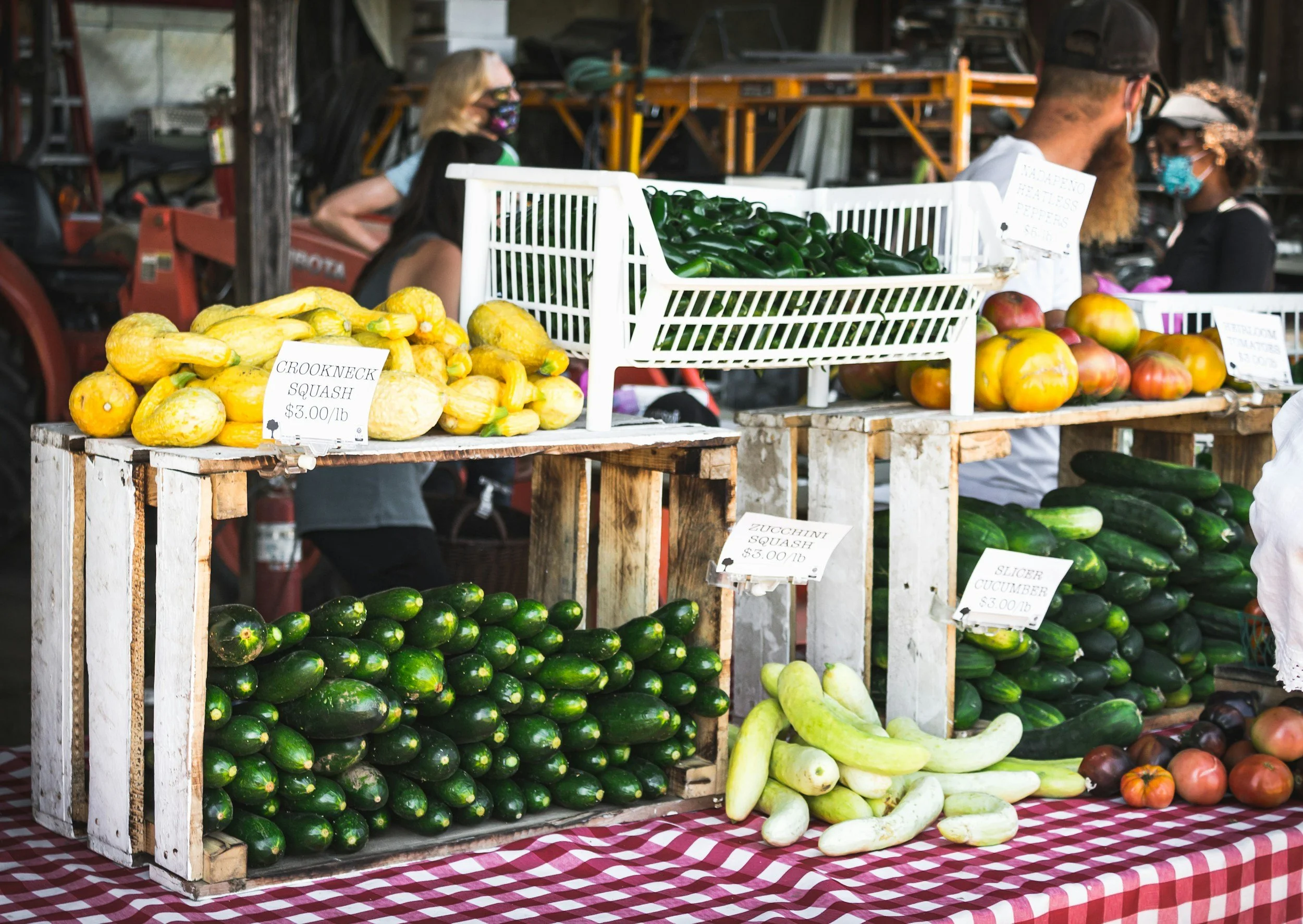
Most people don’t think about what happens between a farm field and the grocery shelf—or even a farmers market table. But that “in-between” space is exactly where North Carolina is now making big moves.
Recent state-level studies highlight something food system advocates have been saying for years: strengthening local agricultural manufacturing and food processing isn’t just about economics—it’s about stability, access, and resilience.
Across North Carolina, researchers and agencies are looking at how expanding processing capacity (things like milling, meat processing, freezing, canning, and packaging) could help farmers keep more value locally while building stronger regional food supply chains.
So what does that actually mean for our community?
It means food systems don’t stop at the farm gate. And right now, that “middle layer”—processing, storage, aggregation, and distribution—is where a lot of opportunity sits.
What Happens Before Food Reaches Your Farmers Market?
When you pick up local lettuce, eggs, meat, or produce, you’re seeing the final step of a much larger system.
Before that moment, food often moves through:
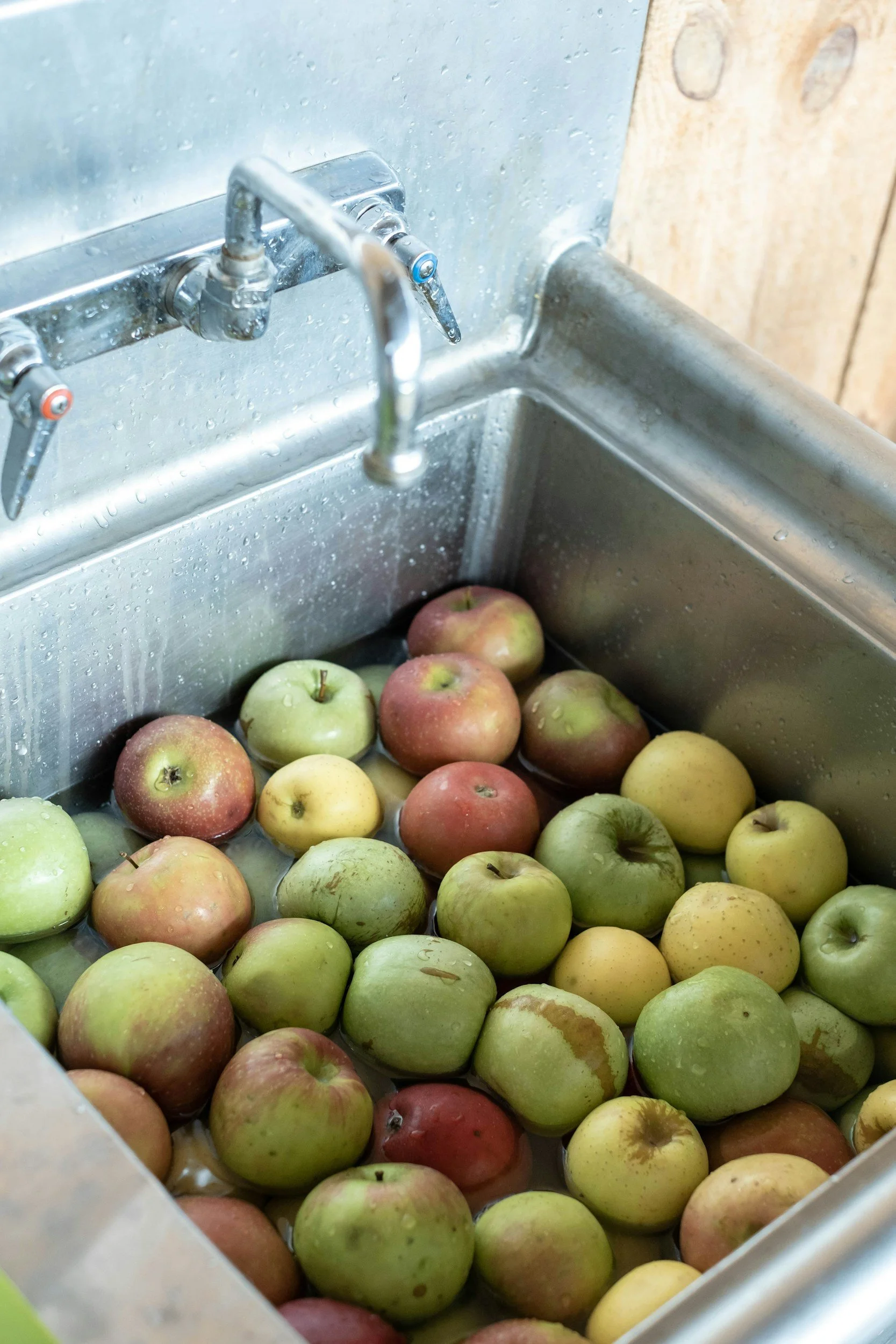
Washing, sorting, and packaging
Refrigeration and cold storage
Value-added processing (like turning fruit into jams or apples into cider)
Local aggregation hubs that combine products from multiple farms
Without that infrastructure, farmers are left doing everything themselves—growing, selling, delivering, and sometimes even processing. That limits how much local food can realistically move through a region, even when demand is strong.
NC State Extension describes food processing as everything from simple preservation to full value-added production that helps make local foods more convenient and market-ready.
How Local Processing Supports NC Farmers
This is where things get interesting for North Carolina agriculture.
Studies show that expanding food manufacturing and processing capacity can:
Help farmers access more reliable markets
Reduce waste from surplus or “imperfect” crops
Keep more food dollars circulating locally
Strengthen rural economies through job creation and infrastructure investment
In plain terms: when local processing exists, farmers don’t just grow food—they can scale their businesses.
A tomato doesn’t have to sell fresh in 48 hours. It can become sauce. Apples can become juice or cider. Livestock can be processed closer to where it’s raised instead of traveling long distances out of state.
That flexibility matters, especially when markets shift, weather disrupts harvests, or transportation costs rise.
Why This Matters for Food Security
Food security isn’t only about growing enough food—it’s about whether that food can reliably move through the system and reach people.
Research on resilient food systems shows that distributed local networks with strong “middle layers” (processors, aggregators, and local markets) are more stable during disruptions because they don’t rely on a single centralized supply chain.
In other words, resilience comes from connection—not just production.
When farms, processors, and local markets are linked, the system can absorb shocks better, reduce waste, and keep food closer to the communities that need it.
Where Piedmont Fresh and DCLFN Fit In
This is exactly the space Piedmont Fresh and the Davidson County Local Food Network operate in every day.
We’re not just connecting people to local food—we’re part of a larger ecosystem that depends on:
Strong farms
Strong processing capacity
Strong local distribution channels
And strong community demand
When all four align, local food stops being a niche option and becomes a functioning system.
The momentum in North Carolina right now is clear: local food systems aren’t just a trend. They’re infrastructure. And infrastructure is what turns “we have good farms” into “we have a resilient food system.”
The Bigger Picture
Local food security isn’t built overnight, and it’s not built by farms alone.
It’s built in processing plants most people never see, in shared kitchens, in cold storage units, in small distribution networks, and in everyday decisions to buy local when possible.
The exciting part? North Carolina is actively investing in that middle layer right now.
And that means the local food system in places like Davidson County isn’t just growing—it’s becoming more complete.
Sources
North Carolina Department of Agriculture & Consumer Services (NCDA&CS) – Agricultural Manufacturing & Processing Initiative Study
https://www.ncagr.gov/news/press-releases/2026/03/30/study-identifies-opportunities-expand-agricultural-manufacturing-and-processing-north-carolina
RTI International – NC Agricultural Manufacturing & Processing Initiative (NCAMPI) Overview
https://www.ncagr.gov/divisions/marketing/agribusiness/marketing-north-carolina-agricultural-manufacturing-and-processing-initiative-opportunity-study
North Carolina Department of Commerce – Food Processing & Manufacturing Industry Overview
https://www.commerce.nc.gov/business/key-industries-north-carolina/food-processing-manufacturing
NC State Extension – Local Food Processing & Distribution Systems
https://orange.ces.ncsu.edu/orange-county-baseline-community-food-assessment/preparing-food/
NC State Extension – Food Safety Repository: NCAMPI Grant Opportunity Background
https://foodsafetyrepository.ces.ncsu.edu/news/grant-opportunity-north-carolina-agriculture-manufacturing-and-processing-initiative/
NC Food Innovation Lab – About Food Processing & Innovation Infrastructure
https://ncfoodinnovationlab.org/about
North Carolina’s Southeast – Agribusiness & Food Processing Fast Facts
https://www.ncse.org/agri-business-and-food-processing.php
North Carolina Department of Agriculture & Consumer Services – Agricultural Statistics Division
https://www.ncagr.gov/divisions/agricultural-statistics
RTI International (via NCDA&CS announcement) – Study on Agricultural Manufacturing Expansion
https://www.ncagr.gov/news/press-releases/2026/03/30/study-identifies-opportunities-expand-agricultural-manufacturing-and-processing-north-carolina