• Welcome
    • Mission
    • BLOG
    • Asset Mapping
    • Food Resources
    • Beginner Farmer
    • Farming Workshops
    • Farm Emergency Resources
    • Calendar
    • Farm Tour 2025
  • Local Food Guide
    • Careers
    • Volunteer
    • Give Today
    • Community Gardens
    • Master Gardener Volunteers
Menu

Davidson County Local Food Network

Street Address
City, State, Zip
Phone Number

Your Custom Text Here

Davidson County Local Food Network

  • Welcome
  • About Us
    • Mission
    • BLOG
    • Asset Mapping
  • Resources
    • Food Resources
    • Beginner Farmer
    • Farming Workshops
    • Farm Emergency Resources
  • Events
    • Calendar
    • Farm Tour 2025
  • Local Food Guide
  • Get Involved
    • Careers
    • Volunteer
    • Give Today
    • Community Gardens
    • Master Gardener Volunteers

Spring Recipes from Piedmont Fresh

March 24, 2025 Jessica Rogers

Spring-Inspired Recipes from Piedmont Fresh

Spring is here, and with it comes a bounty of fresh, local ingredients that are perfect for cooking! At Piedmont Fresh, we’re bringing you the best of what our local farms have to offer. Check out these spring-inspired recipes using ingredients available through our online farmers market!

Mushroom and Spinach Quiche

Looking for a fresh and delicious brunch option? A spinach and mushroom quiche is the perfect dish to highlight the flavors of spring. Here’s how to make it:

  • Eggs: Choose fresh local eggs from Crossings or Sunflower Hill Farm for the best flavor.

  • Mushrooms: Use shiitakes from Heritage Harvest or SandyCreek Farm or oyster mushrooms from Heritage Harvest to give your quiche that earthy, robust flavor.

  • Cheese: Add richness with Goat Lady Lindale gouda—a creamy, nutty touch that complements the mushrooms perfectly.

Serve your quiche with a sweet treat, like fig sweet bread from SandyCreek Farm or Kahlua sour cream coffee cake from Rabble and Rise. This pairing is the perfect way to enjoy a garden brunch in the spring!

Sheet-Pan Chicken with Red Cabbage and Sweet Potatoes

There’s nothing like a hearty sheet-pan dinner to bring the flavors of the season to your table. Crossings chicken thighs combined with red cabbage and sweet potatoes make for a comforting, yet fresh spring meal. Here’s how to prepare it:

  • Chicken Thighs: Use Crossings chicken thighs for juicy, flavorful chicken.

  • Veggies: Add red cabbage and sweet potatoes—both are available now to make your dish colorful and nutritious.

  • Garnish: Top it off with broccoli microgreens from Nourish Family Farm for an extra boost of flavor and nutrition.

If you prefer a more vibrant, flavorful dish, try making orange-ginger chicken bowls using Crossings chicken thighs and garnishing with radish microgreens.
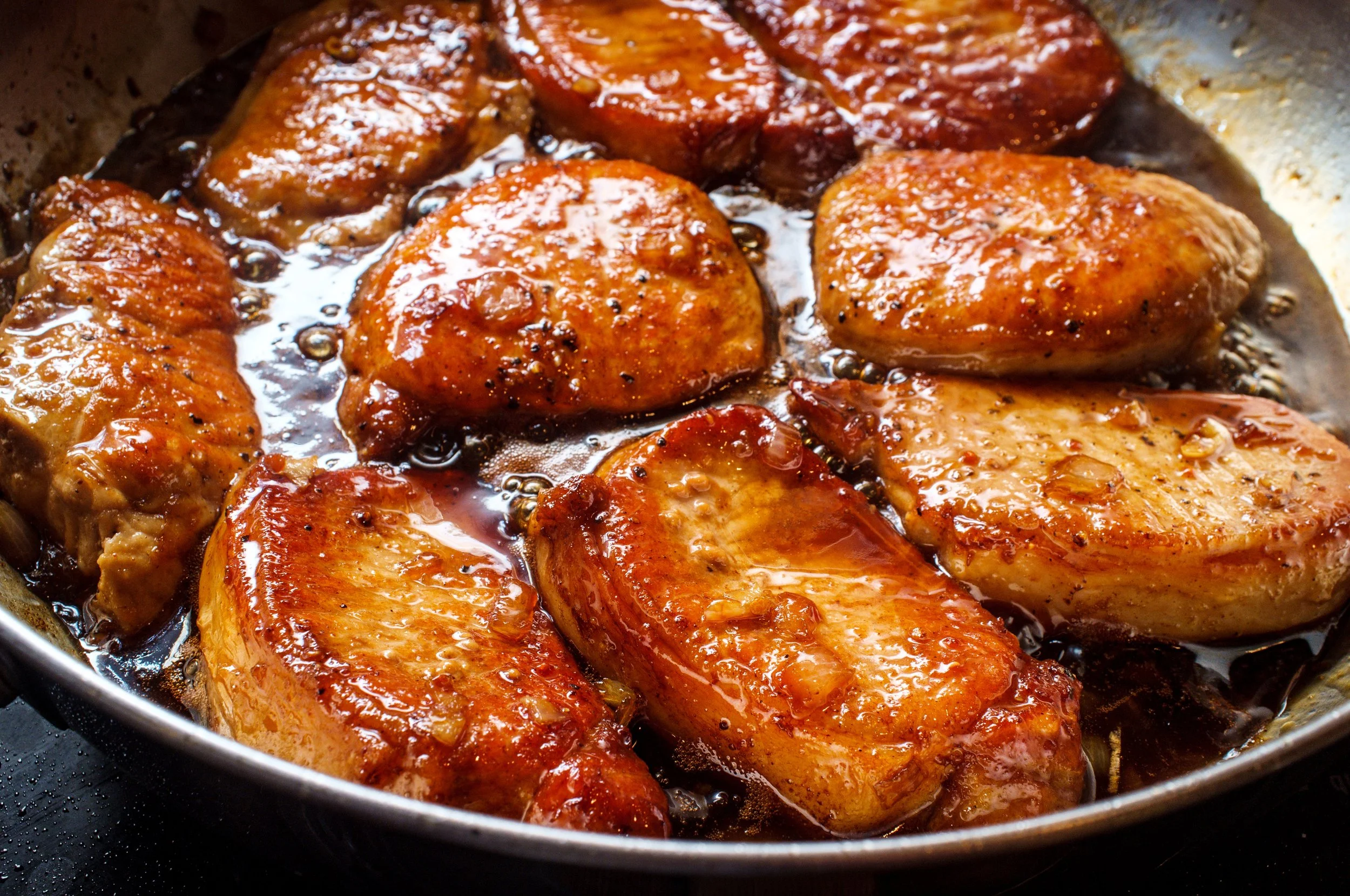

Honey-Habanero Pork Chops with Carrots

Looking for a bold, flavorful dish to enjoy? Honey-habanero pork chops are the perfect choice. Combine boneless pork chops from Klymer Ridge Farm with the sweet-spicy flavors of Sunflower Hill Farm’s honey for an unforgettable taste. For another variation, try skillet-roasted pork chops with spring vegetables and a tangy mustard sauce, using Crossings bone-in chops.

Spring flavors are here, and we’ve got the ingredients to bring them straight to your kitchen.

Piedmont Fresh Reminder: Bring Back Your Blue Totes!

At Piedmont Fresh, we’re committed to sustainability, and we need your help! Your orders are delivered in insulated blue totes to keep your food fresh, and we encourage you to bring them back when you pick up your next order. Return the totes to any of our five pick-up locations during their business hours.

These blue totes help us reduce waste and support a greener, more sustainable community. Thank you for being part of the effort to practice sustainability while keeping your food fresh!

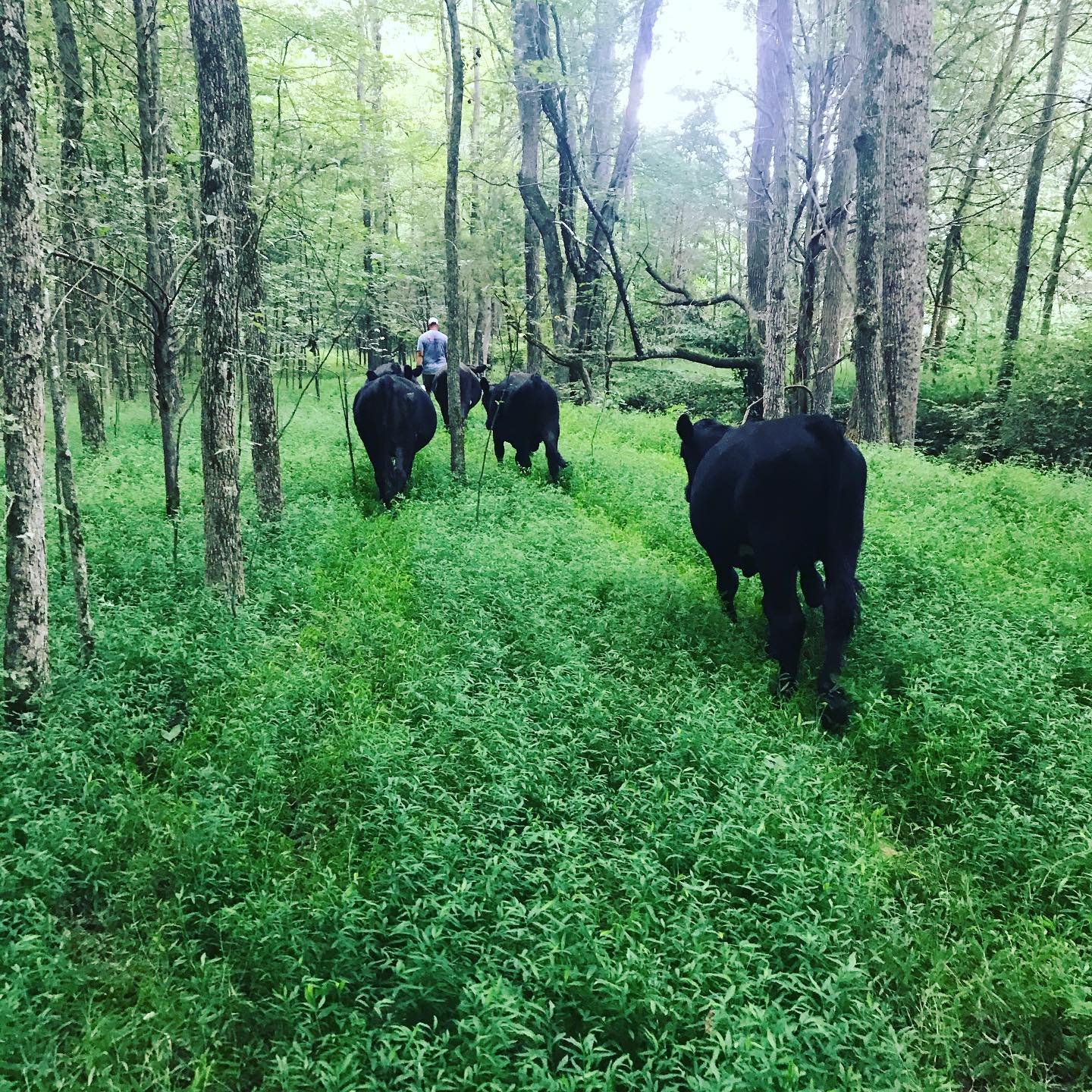
Grass-Fed vs. Grass-Finished

March 19, 2025 Jessica Rogers

Grass-Fed vs. Grass-Finished: What’s the Difference?

If you’ve ever shopped for beef at a farmers market or grocery store, you’ve probably seen labels like “grass-fed” and “grass-finished.” While they might sound similar, these terms have key differences that impact the nutritional value, taste, and quality of the meat.

What Does Grass-Fed Mean?

"Grass-fed" sounds straightforward, but it simply means the animal was fed grass at some point in its life. Since all cows start out eating grass, this label doesn't necessarily mean they were grass-fed their entire lives. Many cattle labeled as "grass-fed" are still grain-finished, meaning they were fed grain (usually soy and corn) in their final months to increase marbling and fat content.

What is Grass-Finished?

"Grass-finished," also known as "pasture-raised," means the animal was fed only grass and forage for its entire life after weaning. It never received grain-based feed. This results in meat that is:
✔ Leaner than grain-fed beef
✔ Higher in Omega-3 fatty acids and beneficial nutrients
✔ Lower in inflammatory compounds found in grain-fed meat

For those avoiding corn and soy due to dietary preferences or inflammation concerns, grass-finished meat is the better choice.

Why Does This Matter?

The way an animal is raised affects the nutritional quality of the meat. Grain-fed cattle are fattened up quickly in the last 4–6 months of their lives, leading to higher overall fat content. Grass-finished beef, while leaner, is often richer in vitamins and has a distinct, earthy flavor that many people prefer.

Shop Smart, Eat Local

Next time you’re buying beef, check the label carefully! If you're looking for truly grass-fed and grass-finished meat, ask your local farmer directly.

In Piedmont Fresh, Local Food Network

A Path to a Healthier Future

March 16, 2025 Jessica Rogers

Sustainable and Regenerative Agriculture

In a world where food production is a necessity but environmental conservation is a growing concern, sustainable and regenerative agriculture offer promising solutions. These approaches prioritize both human sustenance and the long-term well-being of our land and resources.

What is Sustainable Agriculture?

Sustainable agriculture is a farming method designed to balance food production with environmental stewardship. The three core pillars of sustainability—environmental health, economic profitability, and social and economic equity—serve as guiding principles. The goal is simple: to produce food while preserving the land for future generations. This means reducing chemical inputs, optimizing water usage, maintaining biodiversity, and supporting local communities.

Sustainable practices often include crop rotation, integrated pest management, conservation tillage, and responsible water management. These efforts ensure that farmland remains fertile and productive without depleting the surrounding ecosystem.

The Rise of Regenerative Agriculture

Regenerative agriculture builds upon sustainability but takes it a step further. Rather than just maintaining the land, it actively seeks to restore and enhance soil health, biodiversity, and ecosystem resilience. Instead of being a rigid set of rules, regenerative agriculture is a philosophy—an adaptive, holistic approach that encourages farmers to work with nature rather than against it.

Key regenerative practices include:

  • Cover cropping to protect and enrich soil.

  • Minimal or no tillage to maintain soil structure and reduce erosion.

  • Diverse crop rotations to enhance soil fertility.

  • Composting and organic amendments to build soil organic matter.

  • Holistic livestock management that incorporates rotational grazing.

The emphasis on soil health is critical. Healthy soil captures carbon, improves water retention, and enhances plant nutrition—creating a positive cycle of environmental and economic benefits.

Why These Methods Matter

Both sustainable and regenerative agriculture play vital roles in addressing modern agricultural challenges, including soil degradation, climate change, and food security. By shifting toward these mindful farming methods, we can build a future where agriculture nourishes both people and the planet.

At Davidson County Local Food Network, we are proud to support local farmers who embrace these principles. By choosing sustainably and regeneratively grown food, consumers can contribute to a healthier food system—one that respects nature while feeding communities.

Join the movement. Support local. Eat sustainably.

← Newer Posts Older Posts →


Davidson County Local Food Network is a 501c(3) non-profit organization. Any donations made to the DAVIDSON COUNTY LOCAL FOOD NETWORK are tax-deductible.


©2014-2025 DAVIDSON COUNTY LOCAL FOOD NETWORK